
Water Damaged Floor Replacement in Largo, FL
SVR FLOORS helps homeowners replace flooring that has been damaged by leaks, appliance failures, moisture exposure or long-term water-related wear after the material can no longer be trusted. Water damage often changes more than appearance. It can affect how the floor feels, how the room smells, how boards or planks behave and whether the layer underneath is still suitable for a new installation.
When water damage turns into replacement
A water damaged floor is rarely just a cosmetic issue. In many homes, the visible clue is only the start: cupping boards, swollen laminate, lifting edges, loosened vinyl planks, soft spots or a section of the room that no longer feels solid underfoot.
When the material has already changed shape or lost stability, replacement often becomes the smarter path because cleanup alone will not reverse what happened. The bigger issue is not only the damaged finish layer. Water exposure can also affect the condition below it, which changes the prep and installation plan for the next floor.
The strongest replacement projects start by deciding what can still be trusted and what cannot. That includes the flooring itself, the underlayment and sometimes the subfloor depending on how far the moisture traveled and how long it stayed in the room.
Once the floor has expanded, separated, softened or started affecting the feel of the room underfoot, replacement is often less about appearance and more about rebuilding a reliable surface for the space.
What replacement usually depends on
- How the flooring failed and whether the material has lost structural integrity
- How far moisture traveled beyond the visible edge of the damage
- Whether the underlayment or subfloor also needs correction first
- What flooring is planned next and how clean the room needs to be brought back
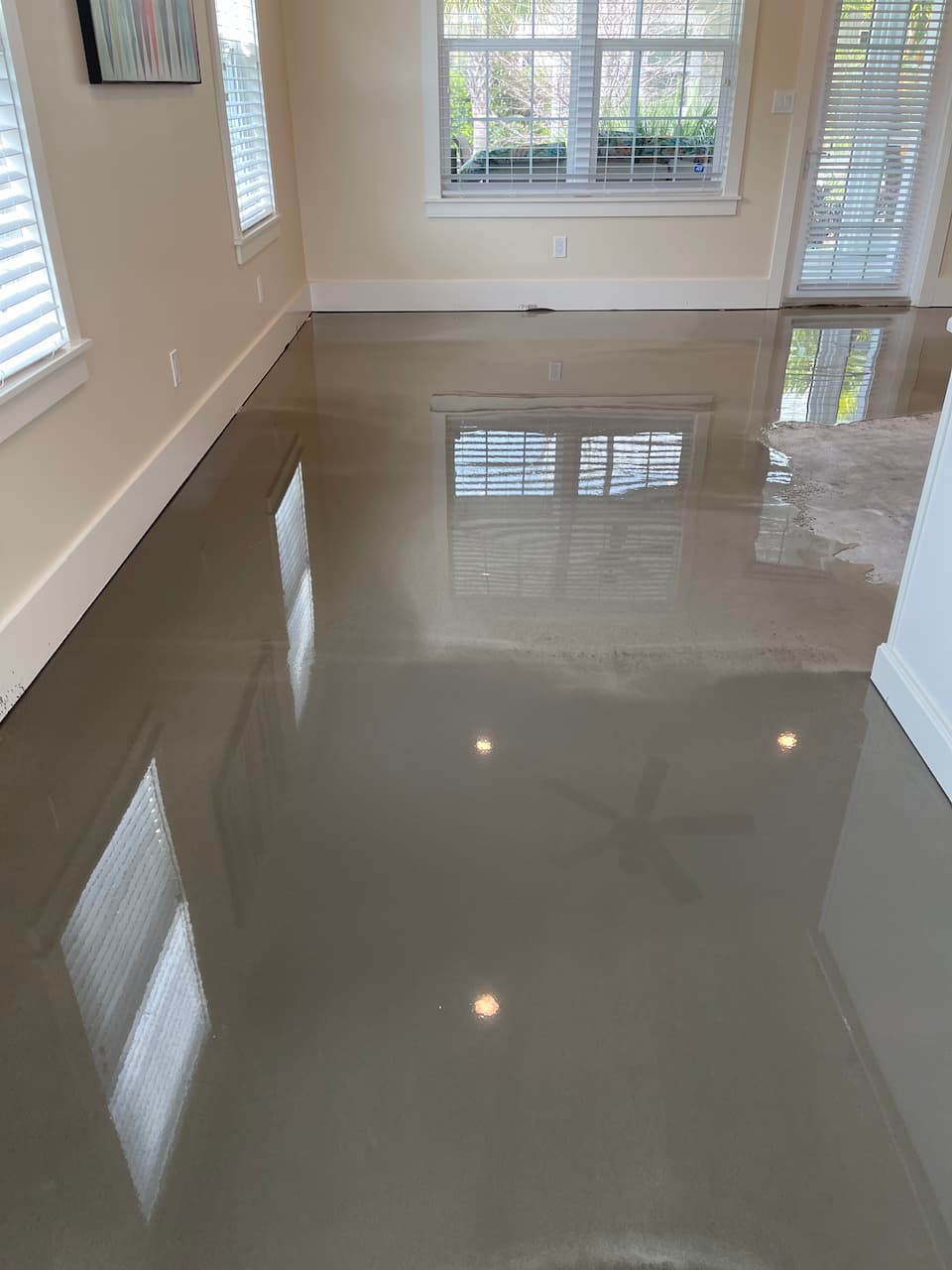
Signs the floor should be replaced
The visible stain is not always the main issue. In many homes, the stronger signal is how the room changes after the water event: the floor feels uneven, sounds different, separates at joints or starts softening in places that used to feel solid.
Water damage often shows up through distortion, movement and loss of confidence underfoot
Once the material has changed, the floor usually stops feeling consistent. That is often the point where replacement becomes more practical than trying to hide damage that has already altered the floor.
- Raised seams, swollen edges or cupping boards after a leak or moisture event
- Vinyl plank or laminate that starts lifting, shifting or separating
- Soft sections, hollow feel or instability where the flooring used to feel firm
- Damage that keeps drawing attention even after the visible water has dried
One failed section can be the first visible part of a larger problem
A damaged area near a refrigerator, dishwasher, doorway, bath or laundry space often becomes the first place where moisture reveals itself. The surrounding floor may already be weakened enough to affect replacement boundaries, transitions and what should happen before the new floor goes in.
- Laminate and hardwood rarely return to their original shape once enough moisture gets in
- The visible failure line is not always the true limit of the affected zone
- The room usually starts to feel wrong before it looks completely ruined
A cleaner replacement starts with the right order
Strong replacement projects are not just about removing damaged flooring and installing new material quickly. They are about understanding what changed, what can stay, what has to be replaced and what has to be corrected before the next floor can go down cleanly.
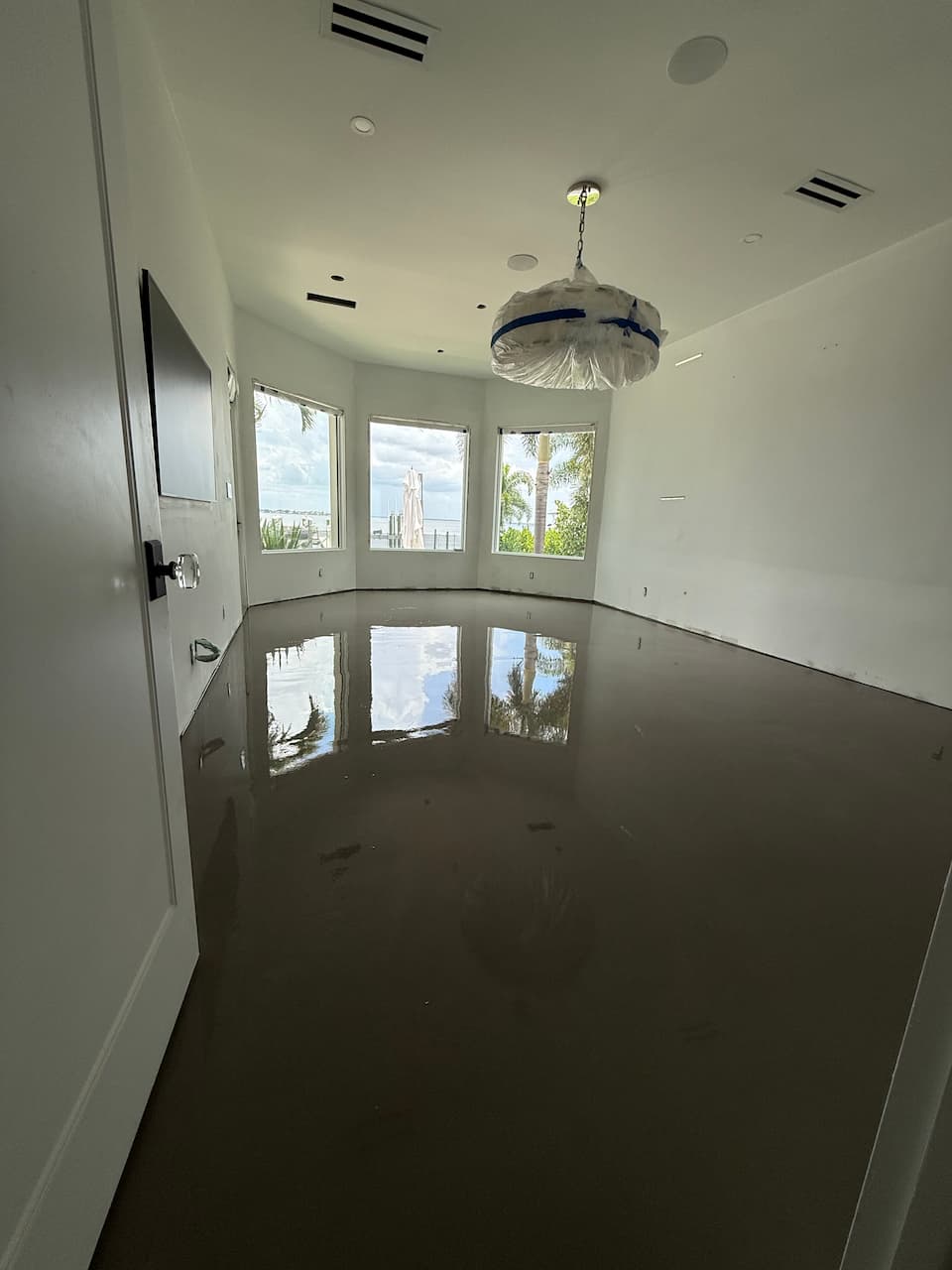
Replacement scope follows the damage path. The visible floor is only one part of the story. The condition below it often determines how clean the next installation can be and whether the room needs additional prep before new flooring is installed.
Where water damage shows up most often
Kitchens, bathrooms, laundry areas, entries and other leak-prone parts of the home are often where flooring replacement follows water exposure. In these rooms, the goal is not just installing something new. It is restoring a floor that feels dependable again.
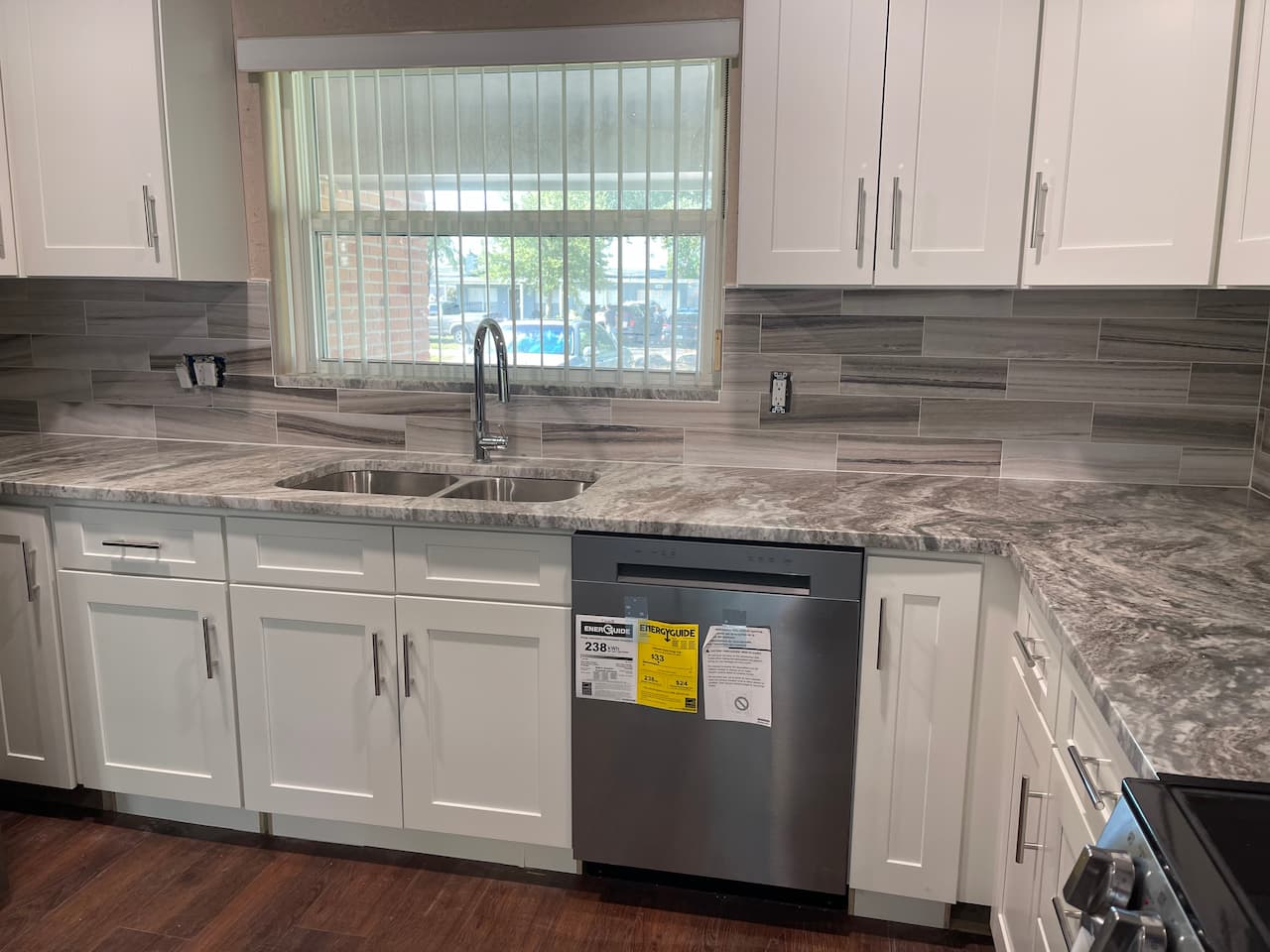
Why room context matters so much
Replacement planning changes when one damaged room affects transitions, adjacent finishes or connected living spaces. It is also the moment when many homeowners rethink whether the previous flooring choice is still the best fit for the room going forward.
- Appliance zones like refrigerators, dishwashers and laundry equipment often spread moisture farther than expected
- Bathroom-adjacent areas can show long-term softness even when the visible top layer only looks mildly affected
- Connected rooms raise the standard because the new floor has to make visual and practical sense across the whole area
The replacement floor should fit the room better
After a water event, many homeowners rethink not only the damaged flooring but also whether the next material is a better long-term fit for the space.
The best result still depends on what is below it
If the room needs subfloor correction or additional prep after the water exposure, handling that first usually determines how strong the finished result will feel.
Questions about water damaged floor replacement
These are the questions that usually come up when a homeowner is deciding whether the damaged flooring can stay, what replacement may involve and whether the floor underneath also needs attention.
How do I know if a water damaged floor should be replaced instead of cleaned up?
If the flooring has swollen, lifted, separated, softened, lost stability or changed shape, replacement is often the more reliable option because the material has already been structurally affected.
Can water damage affect the subfloor underneath?
Yes. Depending on how far the moisture traveled and how long it remained, the layer below the finish floor may also need evaluation before new flooring can be installed properly.
Is replacement always limited to the visibly damaged area?
Not always. Sometimes the visible failure is only part of the affected zone, and replacement planning has to account for surrounding flooring, room continuity and underlying damage.
What flooring types are commonly replaced after water damage?
Laminate, hardwood and some vinyl plank installations are common replacement candidates after moisture exposure, especially when swelling, movement or joint failure has already started.
Should replacement happen only after the room condition is understood?
Yes. The strongest replacement results usually come from understanding what was damaged, how far it extends and whether the floor below the finish material also needs correction first.
Do you serve areas outside Largo for water damaged floor replacement?
Yes. SVR FLOORS serves Largo as the core location and also works in nearby Pinellas County communities including Clearwater, St. Petersburg, Palm Harbor, Dunedin and Seminole depending on project scope and scheduling.
Get a quote for water damaged floor replacement in Largo
If your floor has been affected by a leak, appliance failure, moisture exposure or long-term water-related damage, we can review the room condition, the flooring material involved and what needs to happen before a clean replacement can move forward.
Request a replacement estimate
Share where the damage happened, what flooring is affected and whether the room is showing swelling, lifting, softness, odor or signs that the layer below may also need attention.
- The room where the water issue happened and the approximate affected area
- The current flooring type: laminate, vinyl plank, hardwood, tile or another material
- Visible signs such as swelling, lifting, buckling, odor, softness or separation
- Whether the leak source has already been repaired or the area is still being monitored
Tell us about your water damaged floor
Send the room details, flooring type, damage signs and timeline so we can understand the replacement scope.