
Floor Repair in Largo, FL
Fix soft spots, damaged planks, cracked tile, loose flooring and uneven areas before they get worse.
SVR FLOORS provides professional floor repair services in Largo for homeowners dealing with damaged, uneven, loose, or worn flooring. We begin by inspecting the affected area and identifying the underlying cause, then explain whether a targeted repair or partial replacement is the most practical solution. You receive a clear estimate, straightforward recommendations, and careful workmanship focused on restoring your floor’s stability, appearance, and everyday performance.
- Problem-first inspectionWe look for the cause of movement, gaps, soft spots, hollow tile, moisture damage, and subfloor failure.
- Repair-focused scopeOur floor repair service is built to solve the damaged area without pushing replacement when repair makes sense.
- Local Largo workFloor repair service Largo homeowners can use for slabs, older flooring layers, transitions, and Florida moisture concerns.
What Kind of Floor Problem Are You Seeing?
A good repair starts by separating surface damage from deeper movement, moisture, or subfloor failure. That is why our floor repair services Largo process begins with what the floor is doing, not just what it looks like.
Soft or spongy spots
Soft areas can point to damaged underlayment, water exposure, wood subfloor issues, or movement below the finished surface.
Subfloor RepairLoose planks or gaps
Loose LVP, laminate, or wood flooring may need localized flooring repair, better locking support, adhesive correction, or transition work.
Plank RepairCracked or hollow tile
Tile cracks and hollow sounds often come from substrate movement, poor bonding, slab cracks, or uneven surfaces below the tile.
Tile RepairWater-damaged flooring
Water damage needs careful review because replacing the visible board or tile will not help if moisture is still affecting the base.
Moisture ReviewTargeted Repairs for Real Floor Problems
Floor damage can start at the surface, below the material, or at the edges where rooms meet. We look at the full condition of the area before deciding whether the repair is a simple section fix, a subfloor correction, or part of a larger flooring repair plan.
Soft spots, movement, and weak areas below the surface
When a floor dips, flexes, or feels unstable, the visible material may not be the main issue. We check whether the base below needs attention before replacing or repairing the finished surface.
- Soft or flexing areas that need support correction.
- Damaged underlayment below vinyl, laminate, wood, or tile.
- Small leveling corrections where uneven areas affect the finished floor.
Loose planks, cracked tile, damaged boards, and worn sections
Some surface problems can be repaired cleanly when the surrounding floor is stable and matching material is available. We plan the repair around how the damaged section connects to the rest of the room.
- Loose luxury vinyl plank, laminate, or engineered wood boards.
- Cracked tile, hollow tile, failed grout, and chipped edges.
- Scratched, swollen, water-affected, or impact-damaged flooring sections.
Water-affected areas
We check whether the damage is limited to the visible floor or has reached the underlayment, subfloor, or nearby materials.
Doorways and room edges
Loose thresholds, height changes, and damaged edges can make floors feel unfinished or unsafe between rooms.
Small uneven areas
Low spots, raised edges, and minor surface irregularities can affect how planks, tile, or laminate perform over time.
Edges, trim, and final fit
A repair should blend into the room as cleanly as possible, with attention to trim, cuts, transitions, and visible edges.
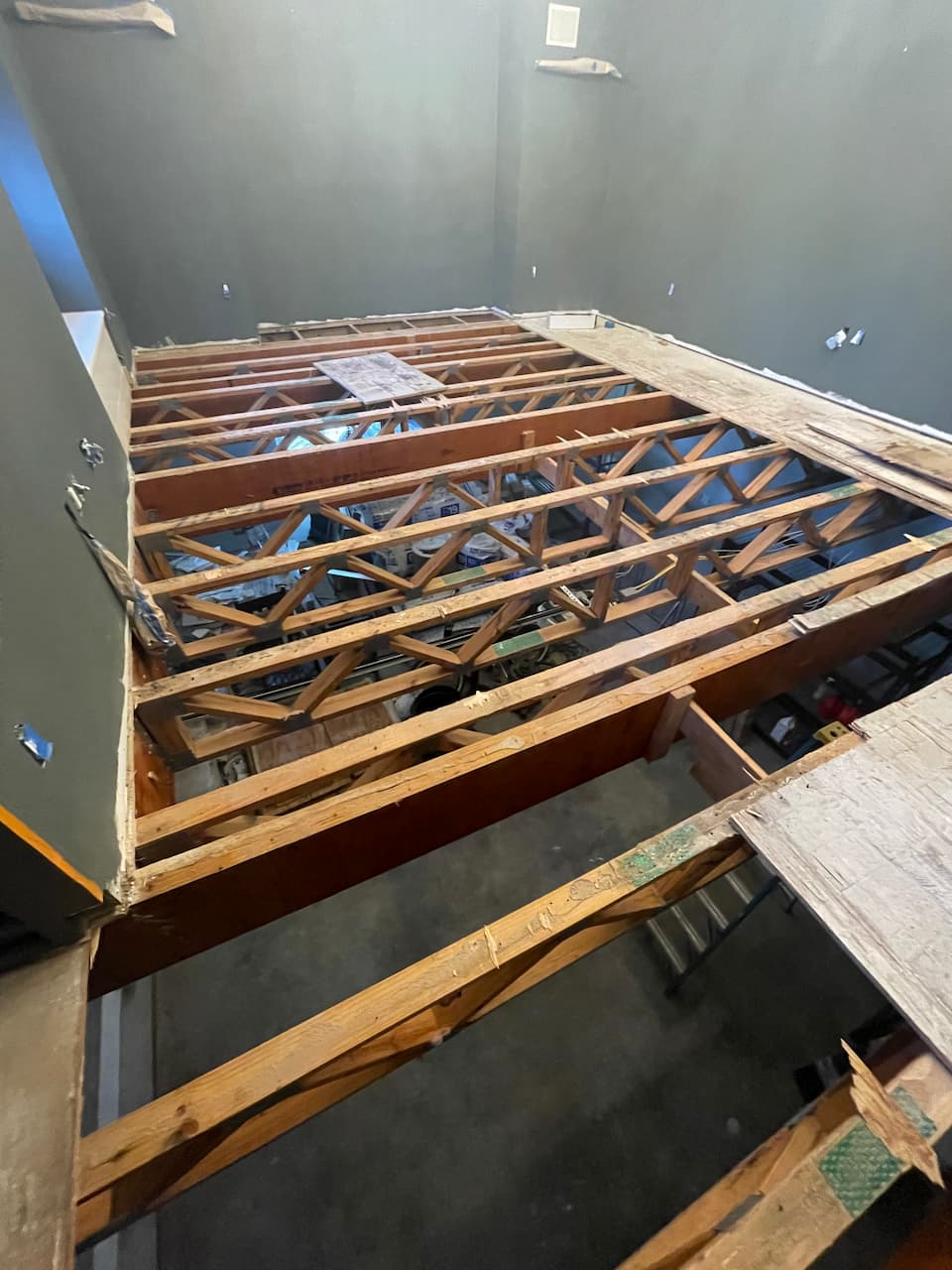 Subfloor repair and structural preparation
Repair should solve the cause, not just hide the symptom.
A good repair leaves the area more stable, cleaner, and better prepared for daily use. If a small patch is not the right answer, we explain why and help you understand the better path before work begins.
We Help You Make the Practical Call
A damaged floor does not always mean the whole room needs to be replaced. At the same time, a quick patch is not always the right answer. We look at the size of the damage, the condition below the surface, and whether the existing material can be repaired cleanly.
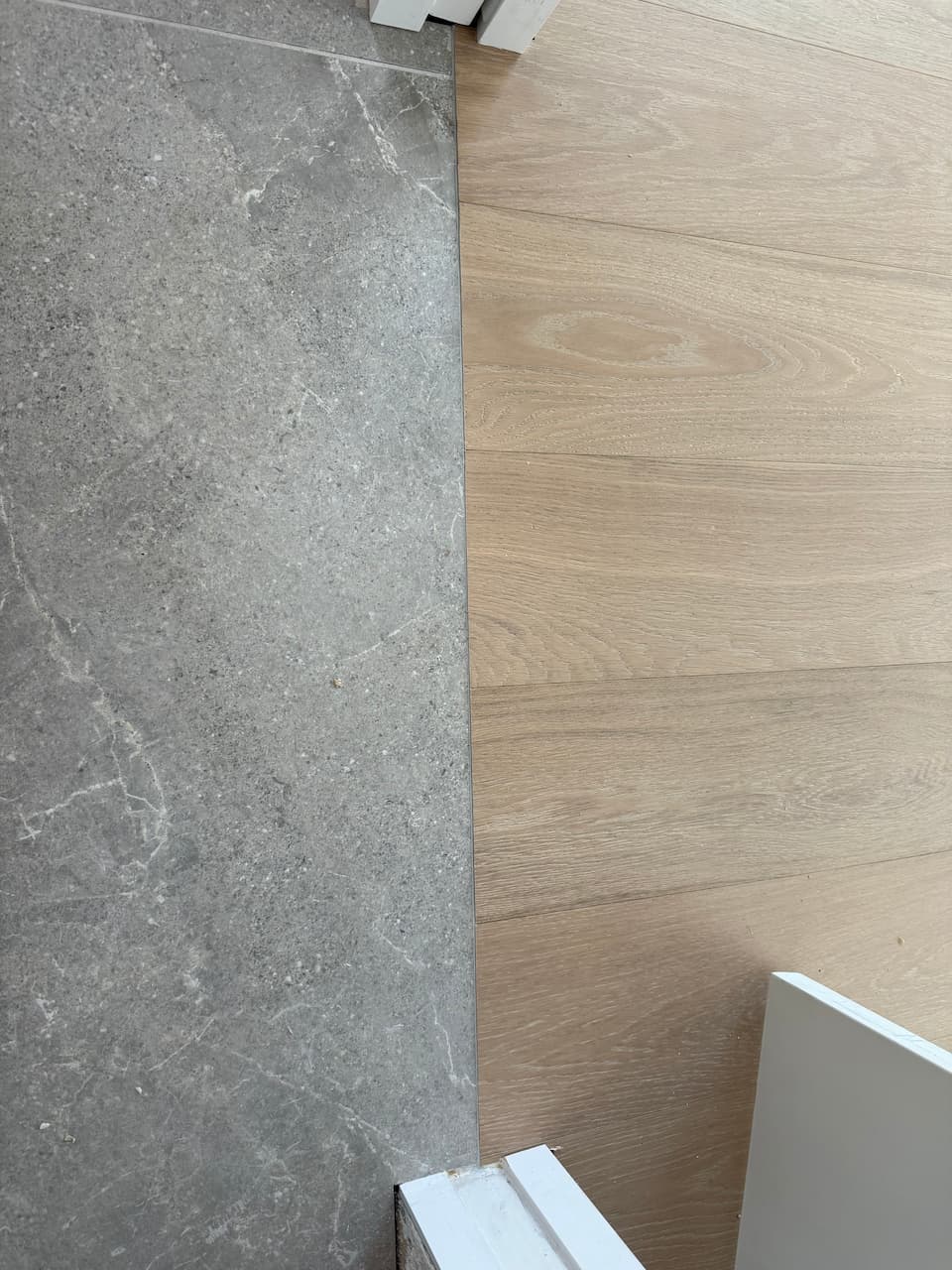
A good repair starts with an honest limit
Before we begin, we explain what can realistically be repaired, what may remain visible, and when replacement would give a better long-term result. The goal is to avoid wasted work and give you a floor that feels solid, clean, and appropriate for the condition of the home.
Local Homes Have Repair Clues Under the Surface
In Largo, floor damage is often connected to more than everyday wear. Concrete slabs, older flooring layers, humidity, remodel transitions, and water exposure can all affect how a floor should be repaired.
Why the repair starts with the conditions in the home
A loose plank, cracked tile, soft spot, or uneven transition can look like a simple surface issue. Sometimes it is. But in many homes, the better repair depends on what is happening below the visible floor.
SVR FLOORS provides floor repair in Largo with a practical inspection-first approach. We check the room, the existing material, the subfloor, and the surrounding edges before recommending the repair.
- Concrete slab flatnessLow spots and high areas can make planks move, tile crack, or transitions fail.
- Moisture-prone roomsKitchens, baths, laundry areas, and exterior doors need extra attention before repair work begins.
- Older flooring layersPrevious tile, vinyl, laminate, adhesive, or patch material can change the best repair method.
- Transition height changesRoom-to-room height issues can create loose edges, cracked thresholds, and uncomfortable steps.
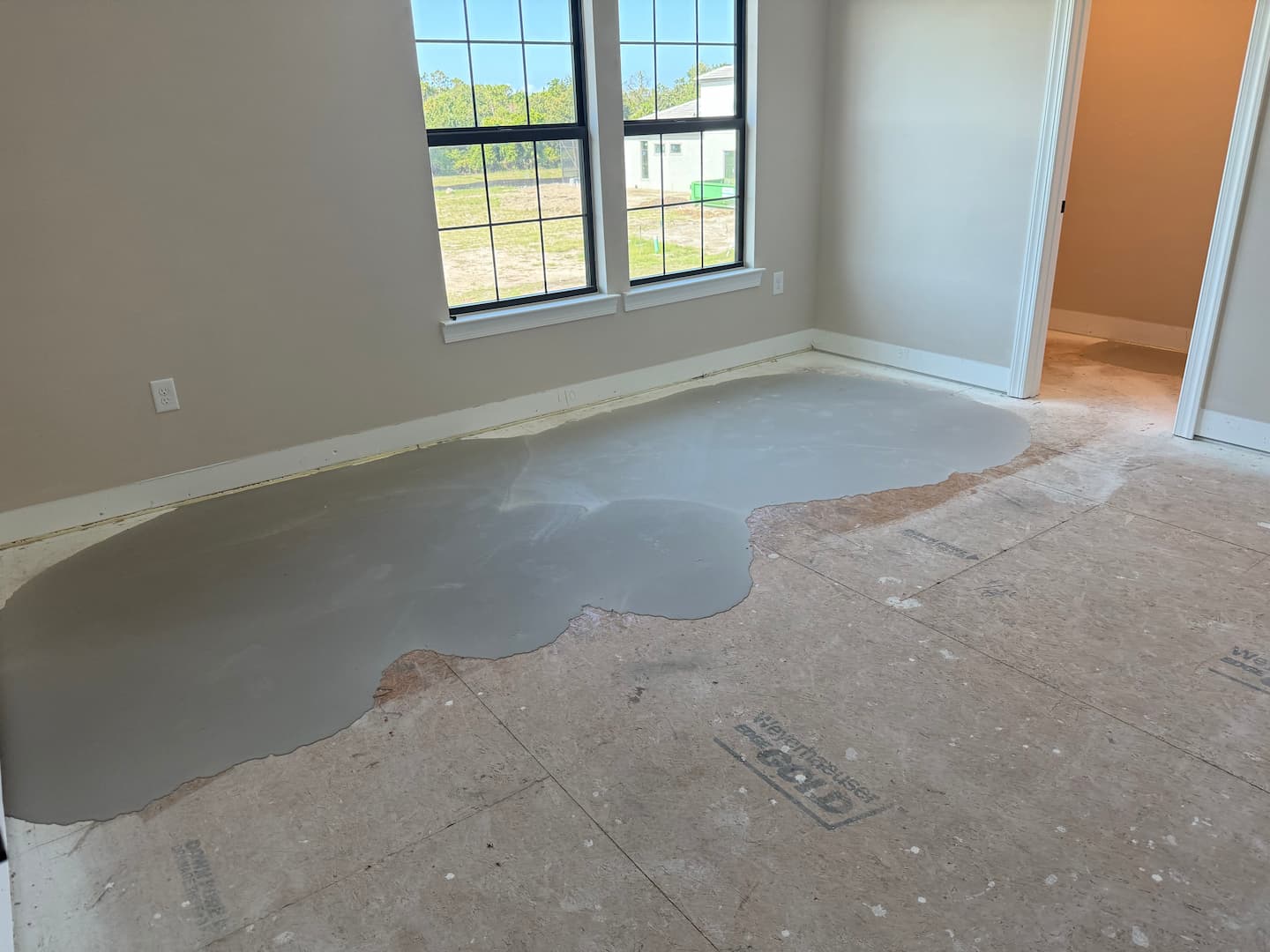
Looking for a local floor repair company?
We help Largo homeowners understand whether a damaged area can be repaired cleanly, needs subfloor work, or should be part of a larger flooring repair plan.
How We Move From Damage to a Clean Repair
A floor repair should be planned around the cause of the problem, not just the visible mark on the surface. Our process keeps the scope clear, checks the surrounding area, and focuses on a repair that feels stable when the work is done.
We start with the details you already know
Before the visit, we ask where the problem is, what kind of flooring you have, how long the issue has been there, and whether it changed after a leak, remodel, appliance move, or heavy use.
Helpful to share Room location, flooring type, photos, age of the floor, and anything that may have caused the damage.We inspect the damaged section and the nearby floor
The visible area is only part of the story. We check for movement, hollow spots, unevenness, weak edges, moisture signs, and transition problems that could affect the repair.
What we look for Surface damage, subfloor support, flatness, moisture clues, and whether the surrounding floor is still stable.We explain the realistic repair options
Some issues can be handled with a targeted repair. Others need leveling, subfloor correction, replacement pieces, or a broader flooring repair plan. We explain the limit of the repair before work begins.
Clear recommendation You know what can be fixed cleanly, what may remain visible, and when a larger repair would be more practical.We repair the area and finish the details
The work may include removing damaged material, preparing the base, correcting small uneven areas, replacing flooring sections, rebuilding transitions, or finishing grout, trim, and edges.
Final result A repaired section that is cleaner, more stable, and better connected to the surrounding floor.
Have a floor issue you want checked?
Send us a few details about the room and the damage. We will help you understand whether it looks like a simple repair, a subfloor concern, or something that needs a closer site review.
Questions Before You Fix the Floor
Floor damage can be confusing because the visible problem is not always the full problem. These answers explain what we look for before recommending repair, replacement, or a closer inspection.
Can one damaged section of flooring be repaired?
Often, yes. A single damaged plank, tile, board, or small area can sometimes be repaired if the surrounding floor is stable and the material can be matched. If the same issue appears in multiple places, we may recommend a broader repair plan instead of a small patch.
How do you know if the problem is under the floor?
Soft spots, movement, hollow sounds, recurring cracks, raised edges, and moisture staining can all point to a problem below the surface. During the inspection, we check the damaged area and the nearby floor so the repair is based on the cause, not just the surface mark.
Can water-damaged flooring be repaired?
It depends on how far the water went. If the moisture source has been fixed and the damage is limited, repair may be possible. If the subfloor, underlayment, or surrounding material is swollen or unstable, the repair may need removal and rebuilding before the finished flooring is replaced.
What types of flooring can you repair?
We work with common residential flooring materials including luxury vinyl plank, laminate, engineered wood, tile, and related transition or subfloor issues. The exact repair method depends on the product, how it was installed, and whether matching material is available.
Will the repaired area look exactly like the rest of the floor?
Sometimes it can be very close, especially when matching material is available and the surrounding floor has not faded much. In other cases, a repair may remain slightly visible. We explain that before work begins so you know what kind of finish to expect.
Do uneven floors always need leveling?
Not always. Small transition issues or localized low spots may be handled as part of the repair. Larger flatness problems, slab issues, or repeated movement across the room may need more preparation before the finished floor can be repaired properly.
How soon should I repair a loose plank or cracked tile?
It is better to address it early. Loose flooring can spread stress into nearby pieces, and cracked tile can allow movement or moisture to reach the area below. A small issue is usually easier to evaluate and contain before it grows.
How do I get an estimate?
Call SVR FLOORS or send a request through the form. Photos, the room location, the flooring type, and a short description of what you see or feel will help us understand the issue before scheduling the next step.
Ready to fix the floor problem?
If part of your floor feels soft, shifts underfoot, has cracked tile, loose planks, water damage, or an uneven transition, SVR FLOORS can take a closer look and explain what is likely causing it. You will get a clear repair recommendation based on the material, the surrounding floor, and the condition underneath.
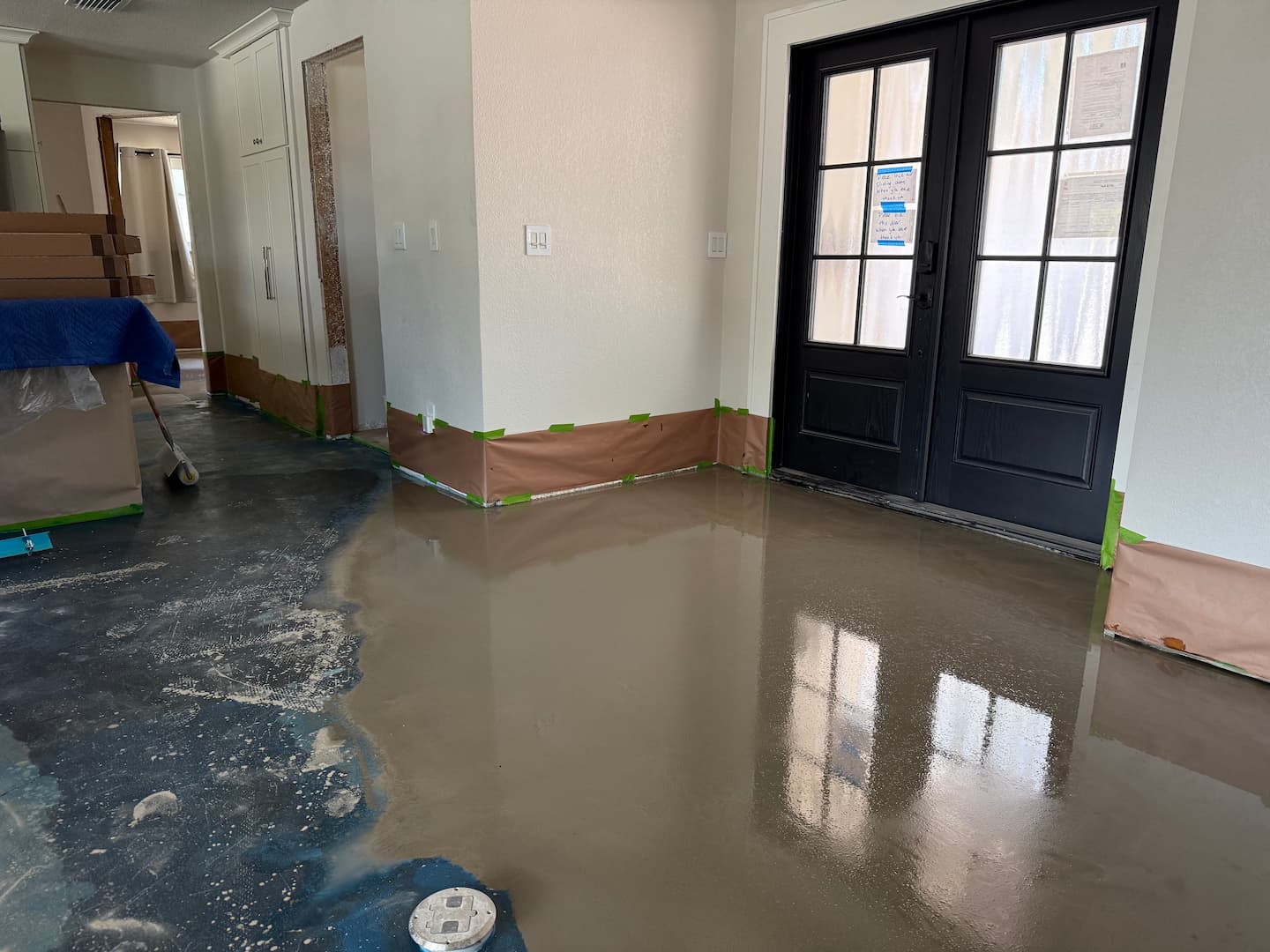 Floor Repair in Largo
Tell us what needs repair
Include the room, floor type, photos if available, and what you feel or see: soft spot, crack, gap, loose board, water damage, or uneven area.