
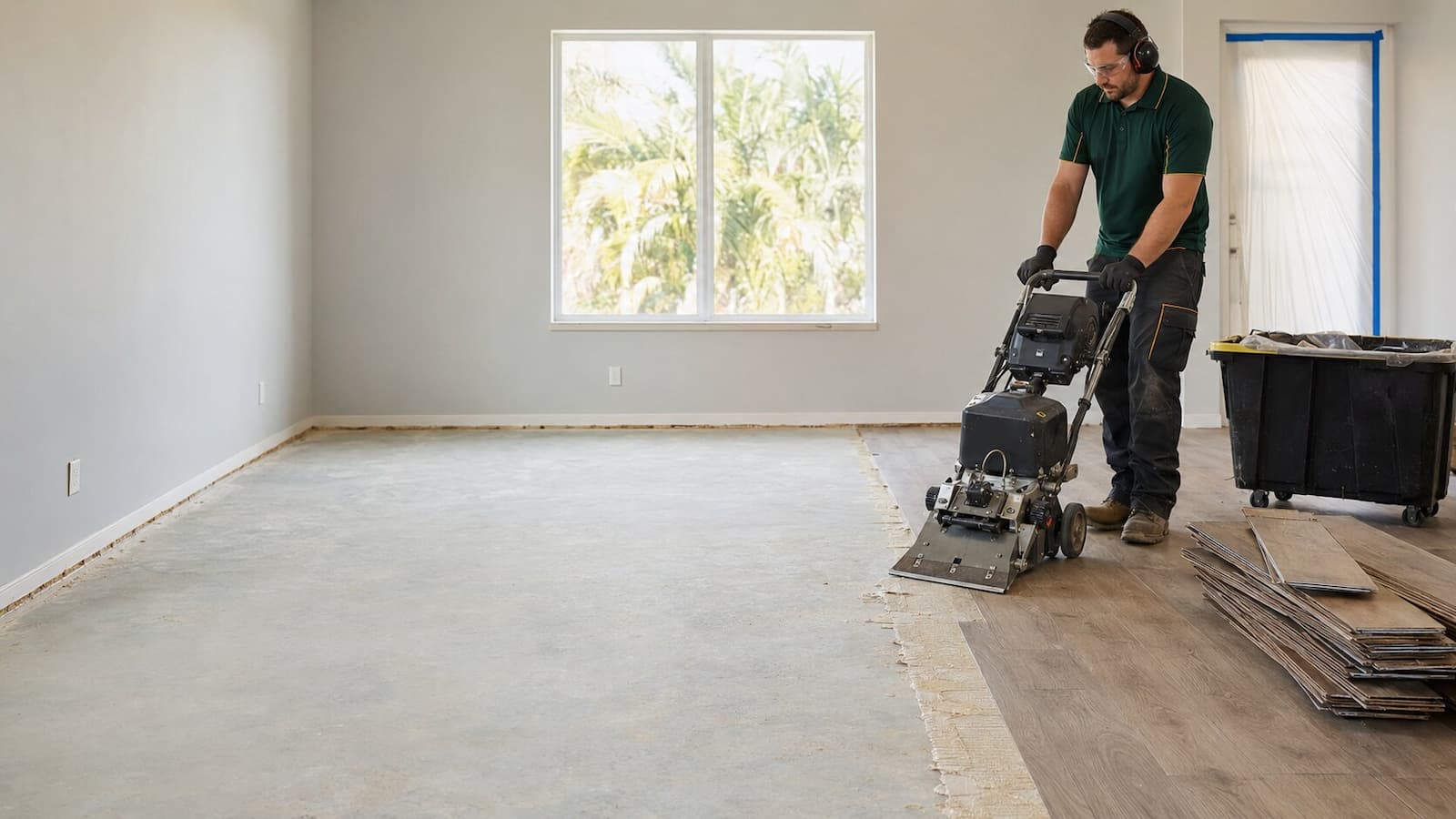
Old Flooring Removal & Floor Preparation in Largo, FL
Old flooring has to come out cleanly, but that is only half the job. SVR FLOORS removes the existing material, reads the surface it was hiding, and prepares a practical path to the new floor.
Identify the assembly
Finish material, attachment, underlayment, edges and visible repair history.
Remove with purpose
The method changes with the material and the substrate we need to protect.
Read the exposed floor
Residue, ridges, weak areas, old patches and moisture signs come into view.
Prepare for the finish
The selected flooring decides what “ready” actually means.
An empty room is not the handoff. A known surface is.
A tile floor bonded to a concrete slab creates a different removal job than floating laminate over foam. Carpet may release quickly and still leave hundreds of staples, chipped tack-strip edges or glued pad behind. Glue-down vinyl can be even less predictable: the finish comes up, while a thin adhesive film stays across most of the room.
The replacement material matters just as much. Tile, floating LVP, laminate and engineered wood do not ask the substrate to do exactly the same job. Before we plan removal, we want to know what is coming out and what should go back in.
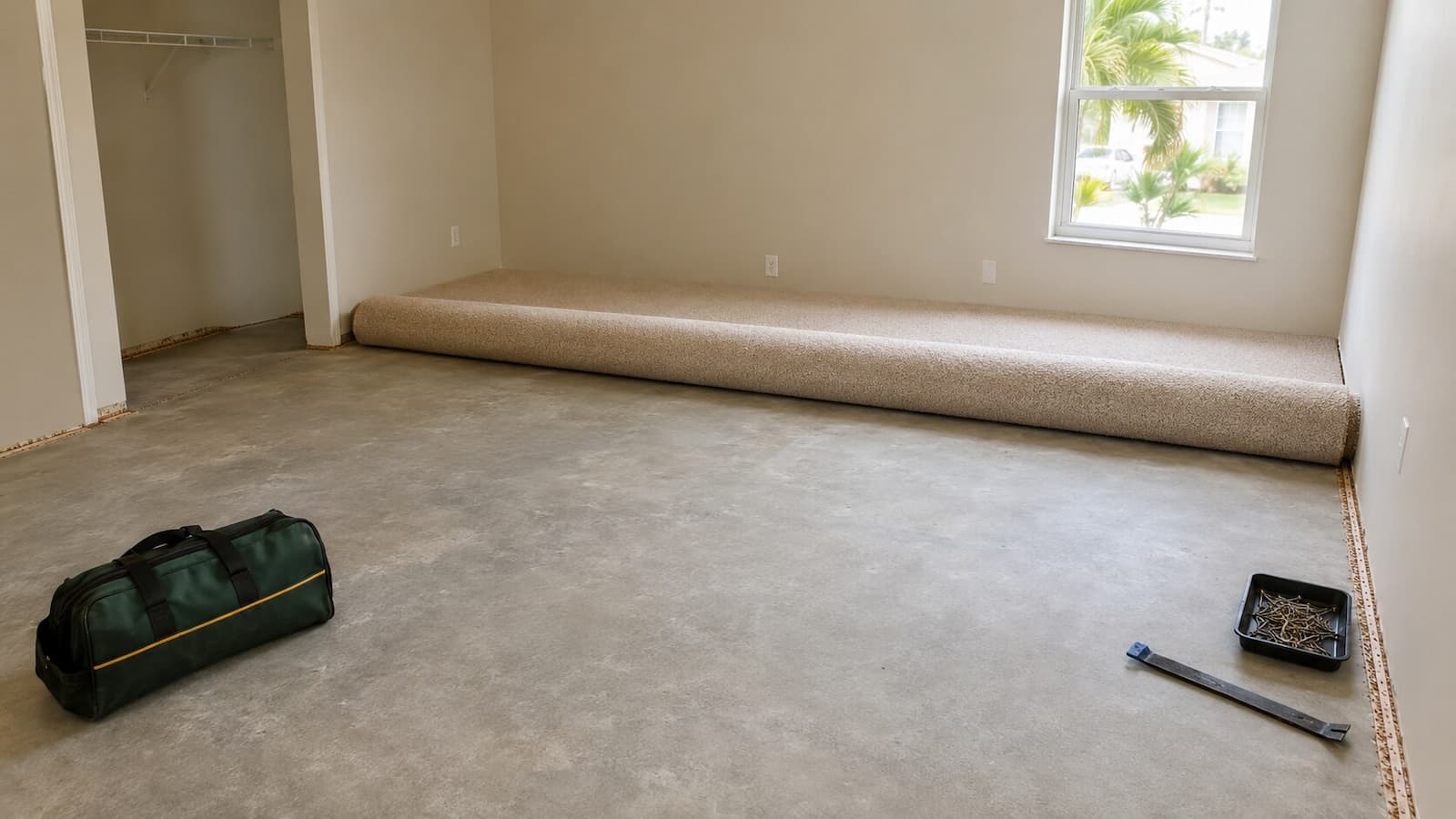
Removal gives us a better view. It does not make every condition a repair automatically.
The attachment method usually tells us more than the surface label
SVR FLOORS handles removal as part of qualified residential flooring and preparation projects. Material, bond, access, square footage and the condition underneath are reviewed before the scope is confirmed.
Carpet and pad
The visible carpet is only the first layer. Pad, tack strips, staples, glued seams, doorway metals and perimeter damage can all remain. On concrete, glued pad may call for extra scraping. Over wood, pulled fasteners and damaged panel edges need a closer look.
Floating LVP and laminate
Click-lock planks are normally separated by working backward from an accessible edge. Underlayment or vapor-retarder layers usually leave with them. The newly exposed surface may explain why the old floor clicked or shifted: debris at joints, a slab ridge, an unsupported low spot or a tight perimeter can finally be seen.
Glue-down resilient flooring and engineered wood
Bonded material often takes longer because the attachment is spread across the room. The flooring may release in strips while adhesive stays behind. Elsewhere, the adhesive and old patching come up unevenly. We judge the stopping point against the next installation system, not against how “bare” the slab looks from the doorway.
Ceramic and porcelain tile
Tile creates hard, heavy debris and usually leaves thinset or mortar ridges. Those ridges cannot simply disappear under a new floating floor or tile assembly. The slab may need mechanical reduction, localized patching or broader flatness correction once removal reveals the actual profile.
Hardwood and nailed or glued wood products
Wood-floor removal is project-specific. Fastener patterns, adhesive coverage, board thickness, substrate type and nearby built-ins can change the approach quite a bit.
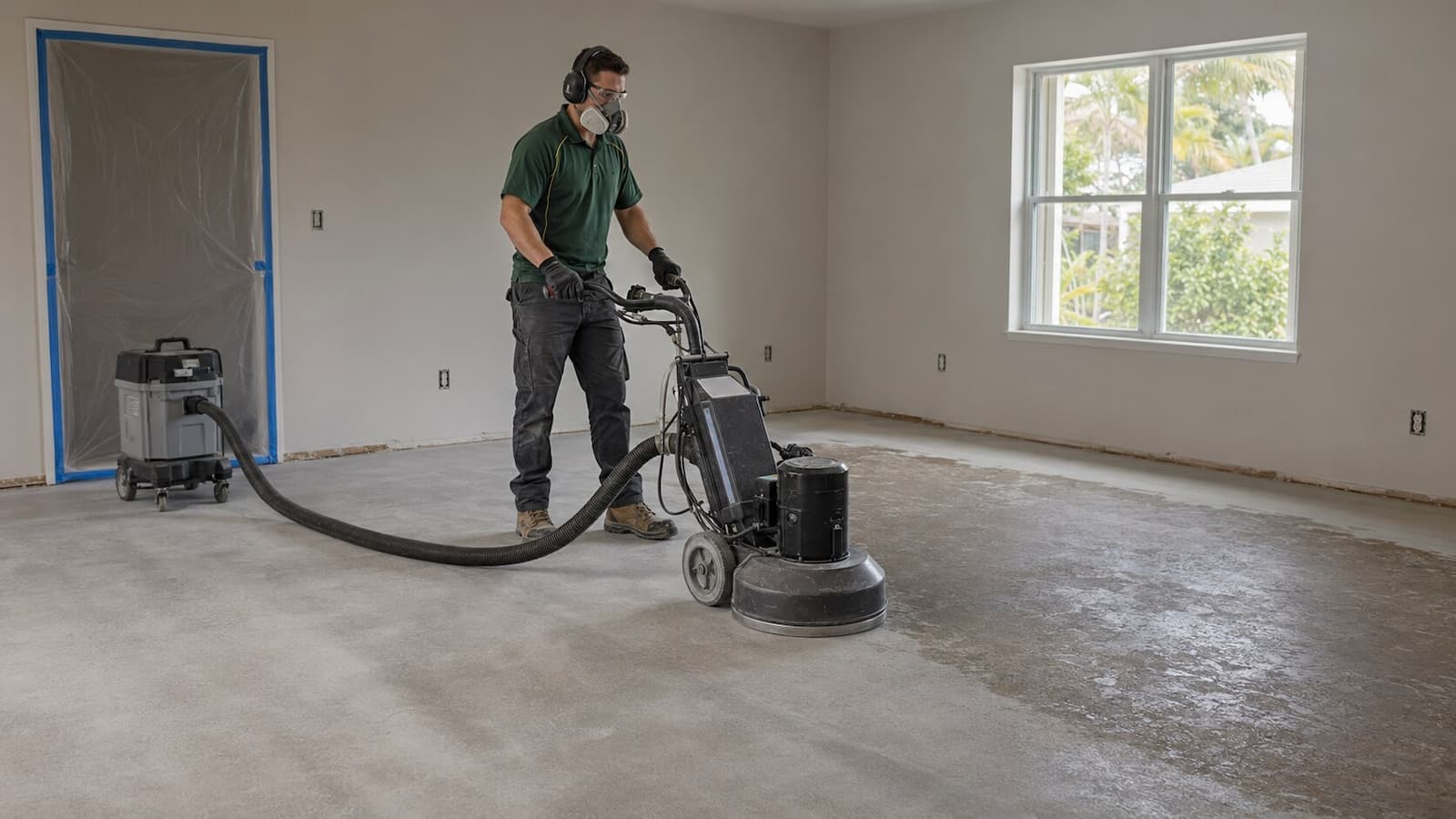
Removal changes the room. Preparation decides what happens next.
A cleared room can still hold loose thinset, brittle adhesive, staples, paint overspray, curled patch edges or sharp height changes at doors. Some findings belong to ordinary cleanup. Others affect the installation system and need corrective work.
Take out the agreed flooring assembly
The written scope identifies the finish floor, underlayment, fastening components, transitions where applicable and related debris that will leave the home.
Clear loose residue and small protrusions
Vacuuming, scraping loose material, removing staples or fastener projections and treating minor isolated defects may fit here when they are included in the estimate.
Address surface shape and localized damage
Grinding high areas, patching defects, filling low spots or using a broader correction method belongs to a defined prep scope. When variation extends across the room, see our floor leveling service in Largo.
Repair weak or damaged wood subfloor
Soft, swollen, delaminated or poorly supported panels need more than surface compound. Qualified repairs are handled through our subfloor repair service.
What we can finally see after the old flooring leaves
Measurements taken over a finished floor have limits. Once the surface is open, clues that were hidden by carpet, planks, adhesive or mortar become much easier to judge.
Adhesive and mortar residue
A slab can look almost clean from standing height and still hold ridges, soft films or brittle areas that interfere with the next system.
High spots and low areas
A long straightedge reveals short humps, shallow valleys and abrupt patch edges. Flat does not always mean level from wall to wall.
Cracks, holes and old patches
Small fastener holes may be routine. Displaced, moisture-associated or active-looking cracks deserve a different discussion.
Moisture signs
Staining, mineral deposits, swollen fibers and odor may point to present or past moisture, though none proves the source on its own.
Weak or moving subfloor
Deflection, squeaks, delamination and broken panel edges can stay hidden under carpet or a floating floor for years.
Perimeters and height changes
Exterior doors, bathrooms, stairs, cabinets and adjacent rooms may need a new transition plan when finish thickness changes.
A finding is not automatically a change order.
First we decide whether it affects the new flooring. If it does, we explain whether the issue fits the agreed preparation, needs a separate correction or should be evaluated by another trade. Water-related damage, for example, may lead to a closer look or a separate water-damaged floor replacement plan rather than a quick patch.
Floor removal happens inside a finished home. The jobsite needs a route.
The work zone and the path out of it are planned before tools start. Furniture and personal items should leave the active room; objects pushed from side to side make protection slower and cleanup less reliable. Debris is collected as the floor comes up rather than allowed to spread through finished spaces.
The setup may use doorway protection, covered travel paths, staged containers, tool-connected collection and repeated vacuuming. Which controls make sense depends on the material, the room and the method.
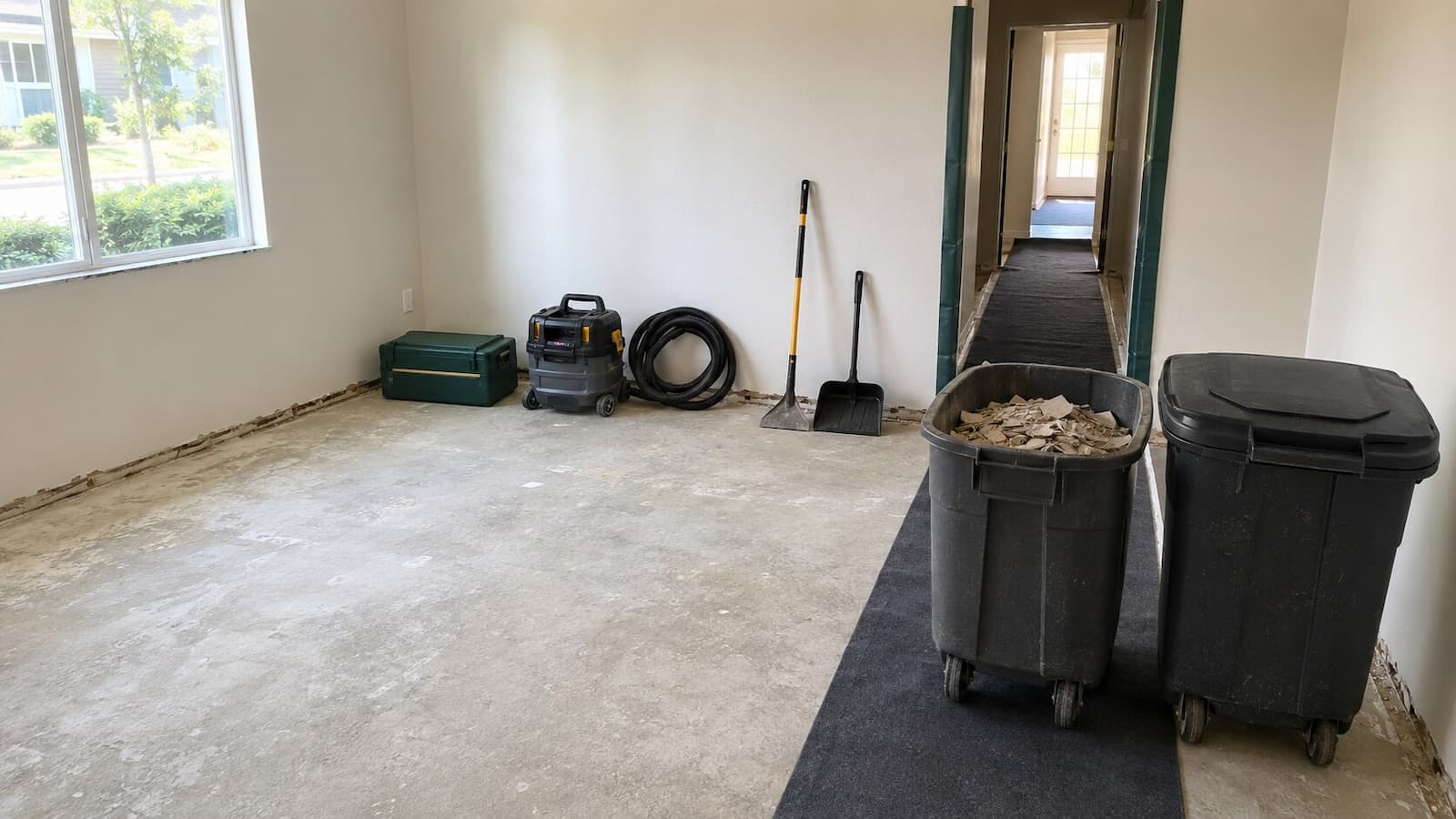
Dust-control equipment can reduce airborne material and keep demolition manageable. It does not make tile removal or concrete preparation literally dust-free.
Unknown old material is a stop point, not a guessing game
Some older resilient tiles, sheet-floor backings and mastics may contain asbestos. Color, size and appearance cannot confirm it. If the age, records or construction gives reasonable cause for concern, the material needs appropriate evaluation before anyone cuts, sands, grinds or aggressively removes it.
SVR FLOORS does not present ordinary flooring removal as asbestos testing or abatement. Suspected material pauses the flooring scope until the homeowner obtains the appropriate assessment and, where necessary, specialist removal. The EPA advises against disturbing material that may contain asbestos without proper evaluation.
| Floating LVP or laminate | Clean, dry, solid and flat enough to support the click system without rocking or unsupported joints. Abrupt ridges and loose debris cannot stay. |
|---|---|
| Glue-down resilient flooring | Prepared for the specified adhesive and smooth enough that old residue, holes and patch edges do not telegraph through the new finish. |
| Ceramic or porcelain tile | Solid and suitable for the selected mortar and tile assembly, with loose residue removed, flatness checked and cracks or movement reviewed. |
| Engineered wood | Stable, clean and dry for the chosen floating, glue-down or nail-down method, with moisture conditions and fastener needs considered. |
The same room can need a different finish condition for a different floor
“Smooth enough” is not a universal standard. The product manufacturer and the installation system provide the final requirements. We keep the old-floor removal connected to that target instead of applying one generic prep recipe to every room.
For a deeper look at surface shape, read how flat a floor needs to be before LVP, laminate or tile.
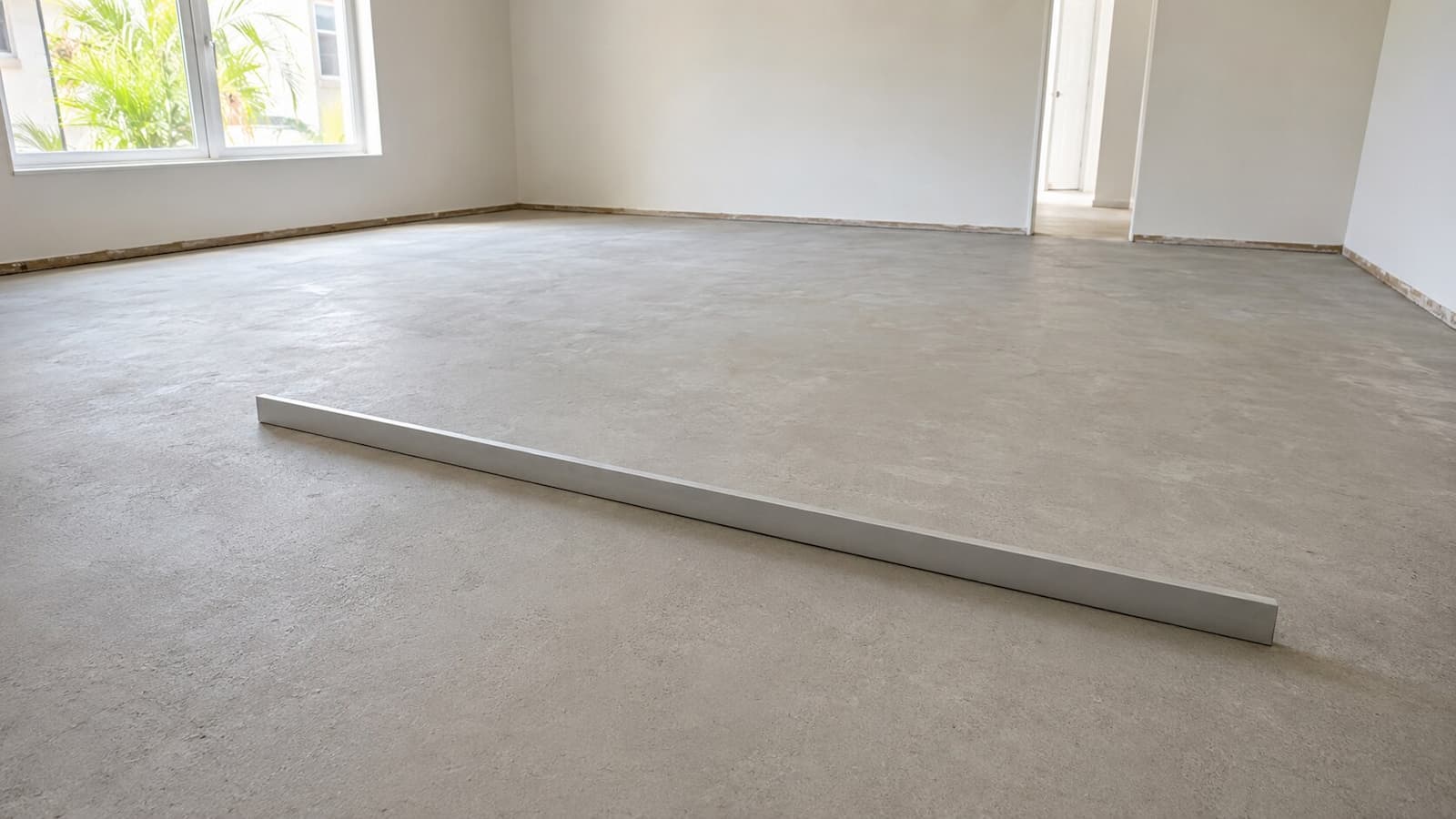 Checked for the planned floor
Square footage is a starting point, not the whole removal quote
Two rooms of the same size can ask for very different labor. Bond strength, floor layers, closets, debris weight, access and the condition expected underneath all affect the scope. We would rather identify those variables than hide them behind a single per-square-foot assumption.
Discuss Your FloorMaterial and attachment
Floating planks, perimeter-fastened carpet, strongly bonded tile and glue-down wood create different labor and tool demands. More than one floor layer may be present.
Room geometry
Open rectangles generally move faster than closets, angled walls, kitchen islands, bathroom fixtures and rooms with several doorways.
Debris and travel path
Tile is heavy; carpet is bulky. Stairs, elevators, long carries, limited parking and building rules change how material leaves the property.
Hidden substrate
When the current floor blocks a reliable view, part of the preparation may remain an allowance or a separate line until removal exposes the surface.
Replacement flooring
The selected product defines the handoff. A slab intended for large-format tile may need different correction than one receiving a floating rigid-core plank.
Edges and fixed elements
Baseboards, doors, cabinets, appliances, stairs and transitions need a written plan. Fixed cabinets and flooring hidden beneath them are not automatically part of demolition.
A removal sequence that leaves room for what the floor tells us
The order matters. We separate known work from hidden conditions, then pause for approval if the exposed surface asks for work outside the original scope.
Share details
Rooms, current floor, target material and access.
Inspect
Attachment, edges, debris path and visible concerns.
Protect
Clear the room and establish a practical work route.
Remove
Work in controlled sections suited to the material.
Read the floor
Check residue, flatness, cracks and weak areas.
Prepare
Complete only the correction approved for the project.
Verify
Review the handoff against the planned flooring.
One flooring contractor can carry the condition of the room into the new installation
This continuity is the main advantage. The contractor judging the exposed slab already knows what the replacement floor needs. There is less gray area between a demolition crew that calls the room empty and an installer who finds adhesive ridges, unsupported patches or transitions nobody priced.
SVR FLOORS is based in Largo and works on residential flooring projects across nearby Pinellas County and Tampa Bay communities. Our focus is flooring installation, removal connected to replacement, surface preparation, leveling and subfloor-related corrections. We are not a material retail store, a whole-house demolition company or an asbestos-abatement contractor.
Questions worth answering before the first section comes up
Can you remove carpet, tile, LVP, laminate and wood flooring?
We remove common residential flooring as part of qualified projects. The exact scope depends on the material, attachment, substrate, access and new-floor plan. Glued wood, heavily bonded tile, multiple layers and unusual assemblies may require a site review before removal is confirmed.
Is old flooring removal included in an installation quote?
It should be shown clearly rather than assumed. Some projects begin on an exposed surface; others need full removal, haul-away, adhesive reduction and corrective preparation. The estimate identifies the approved work so you can see where removal ends and preparation begins.
Do you haul away the old flooring?
Normal debris collection and haul-away can be included when stated in the scope. Very heavy material, unusual disposal requirements, restricted building access or debris outside the flooring project may change the plan.
Is floor removal really dustless?
No demolition process should be treated as literally dustless. Work-zone protection, tool-connected collection, staged debris handling and repeated cleanup can reduce dust and keep the project controlled. Tile, thinset and concrete preparation still require realistic expectations.
Can new flooring be installed immediately after removal?
Sometimes. A clean floating floor over a sound, flat substrate may move quickly into installation. Mortar, adhesive residue, wet patches, low areas, weak subflooring or moisture concerns can add preparation and cure time. We check the exposed surface before locking in the next phase.
What happens if you find an uneven concrete slab?
We measure the affected area and compare it with the planned floor’s requirements. A ridge or shallow low spot may need local correction. Broader variation may call for a separate leveling scope. Work outside the approved estimate is discussed before it proceeds.
What if the wood subfloor is soft or damaged?
Surface compound cannot restore a panel that has lost strength. We identify the affected area, look for the likely cause and decide whether targeted subfloor repair fits the project. Active leaks or other unresolved sources have to be handled first.
Do old vinyl tile or black adhesive need asbestos testing?
Age, appearance and color cannot confirm asbestos. When material is reasonably suspected, testing or professional evaluation should happen before it is disturbed. SVR FLOORS does not test or abate asbestos-containing flooring as part of ordinary removal.
Do the baseboards have to come off?
Not always. The new floor thickness, expansion requirements, current trim condition and intended finish determine whether baseboards stay, are carefully removed or are replaced. That decision belongs in the written scope.
How long does flooring removal and preparation take?
Duration changes with square footage, bond strength, room layout, debris travel, substrate findings and the amount of corrective preparation. Once we see the project, we can provide a more realistic sequence than a blanket one-day promise.
Can I stay in the home during removal?
That depends on the number of rooms, dust-producing work, access, pets, children and whether essential paths remain open. Staying home may be practical for one isolated room. Larger or connected projects often go more smoothly when the active zone is unoccupied.
Clear the room with the next flooring system already in mind
Tell us what is installed now, what you want next, how many rooms are involved and anything you already know about adhesive, cracks, soft spots, moisture, stairs or condo access. SVR FLOORS will review the removal path and explain which preparation belongs in the initial scope.
Tell us about the existing floor
Include the room, current material, planned replacement and any visible or known surface problems.